 Quelle est l'application
Electric motors are essential for a future built on energy efficiency and green sustainability. They power a wide range of modern technologies, from electric vehicles to industrial machines, helping reduce emissions and energy consumption. As the world moves toward cleaner energy, electric motors are central to the revolution.
Energy-efficient electric motors play a critical role in reducing emissions, especially in electric vehicles. These motors use principles such as electromagnetism to efficiently convert electrical energy into mechanical power, minimizing energy loss. Their reduced environmental impact makes them key to achieving sustainability in modern transportation.
Modern electric motors contribute significantly to societal development by providing solutions to energy inefficiency and environmental degradation. Unlike traditional motors that waste more energy in the form of heat, modern electric motors are more efficient, cost-effective, and sustainable. The development of these technologies is accelerating, helping society meet its energy goals while protecting the environment. Let's dive deeper into their impact.
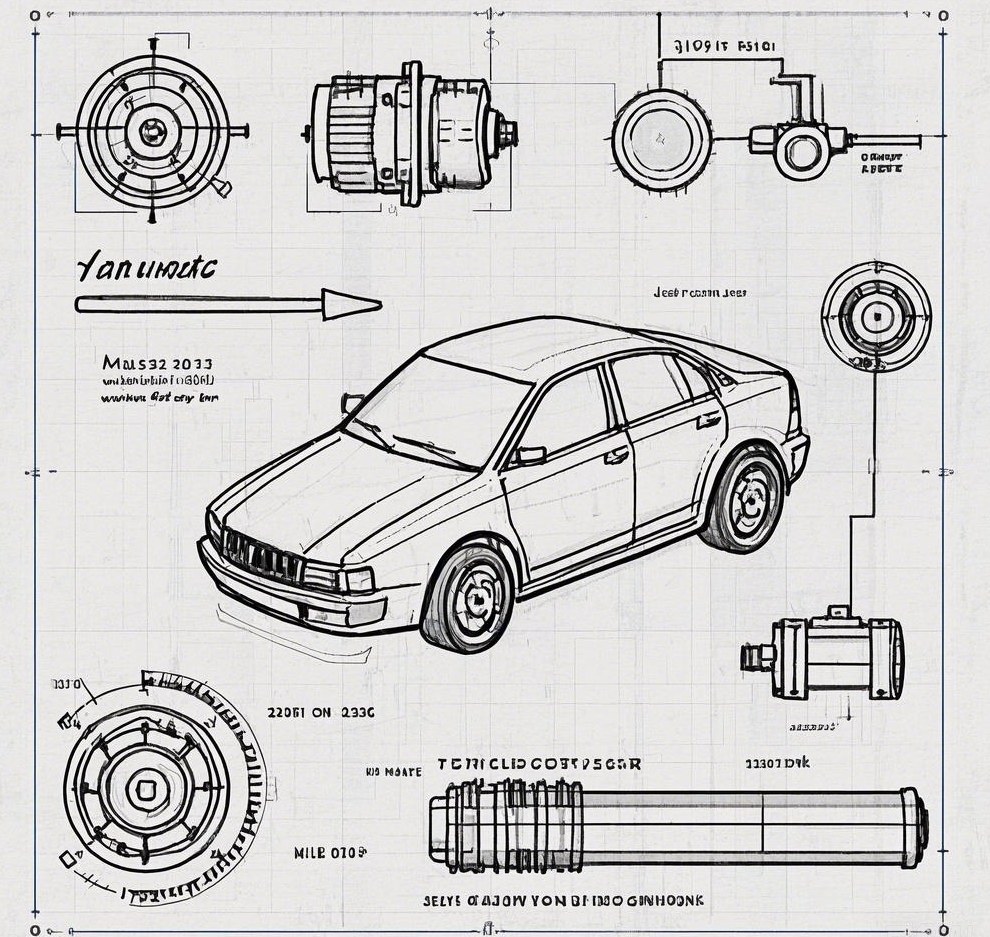
Design unique of Electric Motors in Electric Vehicles
Electric motors used in modern electric vehicles (EVs) have a unique design that optimizes performance while reducing energy loss. These motors are compact, lightweight, and highly efficient, often designed for maximum torque and minimal weight. Their size is typically smaller than internal combustion engines (ICE), which makes them suitable for the limited space in electric vehicles. With advancements in motor design, these electric motors can operate at higher voltages, offering greater power output and efficiency. The torque is instant, allowing for smooth acceleration without the need for a transmission, and their efficiency plays a crucial role in extending the vehicle's range.
There are several types of electric motors used in modern electric vehicles. The most common ones include:
Moteurs synchrones à aimants permanents (PMSM): Known for their efficiency and compact design, PMSMs are widely used in EVs due to their ability to provide high torque and power at lower energy consumption.
Moteurs à induction: Often used in lower-cost vehicles, induction motors do not require permanent magnets and provide excellent reliability and robustness.
Moteurs CC sans balais (BLDC): Known for their high efficiency and low maintenance requirements, BLDC motors are commonly used in EVs, especially for smaller applications like e-bikes.
Each motor type offers different benefits, allowing automakers to select the one best suited for their specific vehicle requirements.
Electric motors used in automobiles are designed to deliver high power output, efficiency, and smooth operation. Key characteristics include:
Densité de couple élevée: Electric motors provide instant torque, which translates into fast acceleration and efficient use of power.
Efficacité: They are more energy-efficient than traditional internal combustion engines, often converting more than 90% of electrical energy into mechanical energy.
Entretien Réduit: With fewer moving parts than ICEs, electric motors have a lower risk of mechanical failure and require less maintenance
Adaptabilité: Depending on the application, different motor types are chosen for their power requirements, torque, and efficiency. For example, PMSMs are preferred in high-performance vehicles due to their superior power-to-weight ratio.
These characteristics make electric motors ideal for use in electric vehicles, especially in scenarios requiring low emissions and energy efficiency.
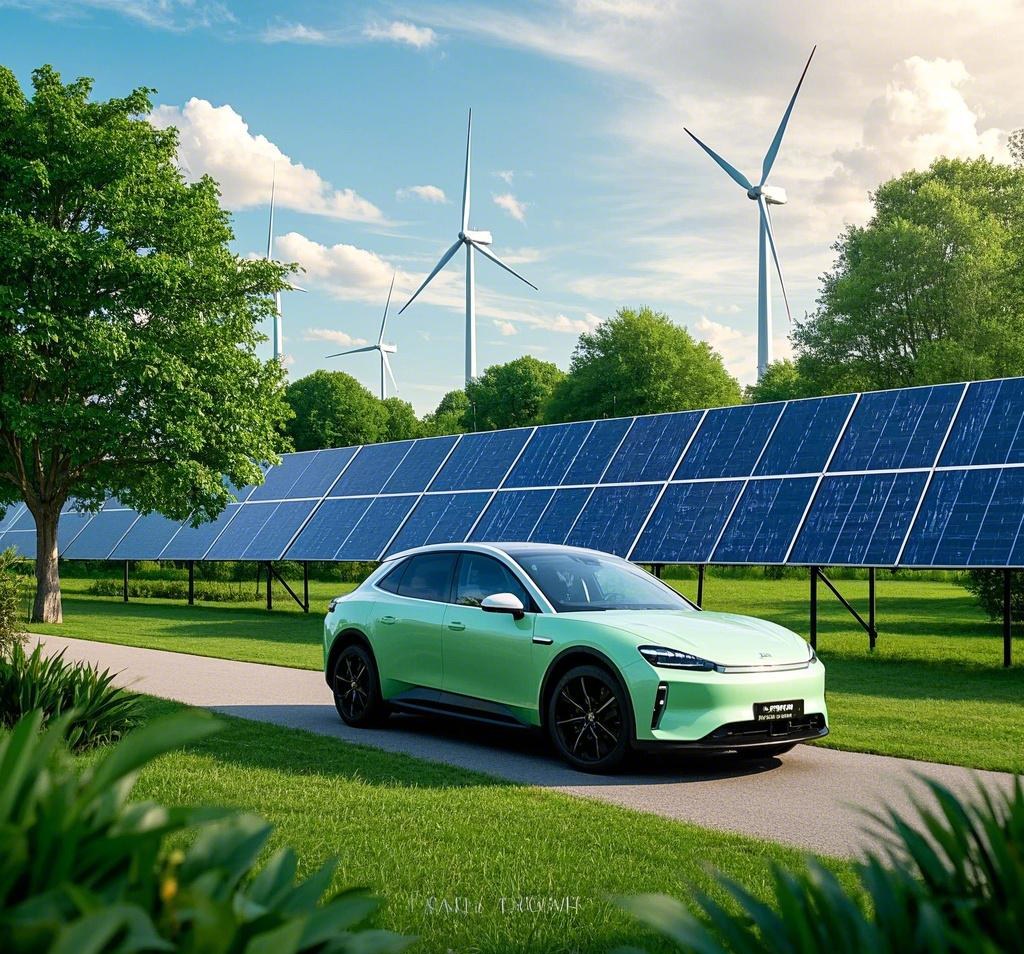
Modern electric motors are central to sustainability in the automotive industry. One significant innovation is the development of more energy-efficient motors, which help extend the range of electric vehicles (EVs) while reducing their environmental footprint. Additionally, the integration of regenerative braking systems allows EVs to recapture energy during braking, increasing overall efficiency. The use of lightweight materials in motor construction also reduces the overall weight of EVs, further improving fuel efficiency and reducing energy consumption. These innovations are helping the automotive industry transition towards a greener future.
Despite their many advantages, electric motors in electric vehicles face several challenges. One of the main obstacles is the high cost of producing these advanced motors, especially those with permanent magnets or rare-earth materials. Additionally, motor performance can degrade in extreme temperatures, requiring innovative cooling solutions. Another challenge is the need for improved power density, enabling electric motors to provide more power in smaller, lighter packages. Ongoing research is focused on overcoming these challenges, with significant investments in improving motor efficiency, reducing costs, and enhancing performance.
At BG Motor, we are committed to providing high-performance, customized electric motor solutions that meet the needs of the evolving automotive industry. Whether you are designing electric vehicles or other green technologies, our team of experts can help you find the perfect motor solution to drive your project forward. We are dedicated to supporting the development of sustainable, energy-efficient solutions.
Today the sun is shining, I wish you a happy mood and all the best.
 RETOUR
À l’approche de la fin de l’année 2025, nous tenons à remercier sincèrement…
Joyeux Noël de la part de BG Motor ! À l'approche de Noël, nous souhaitons vous présenter nos vœux…
Le jour de Thanksgiving, fin novembre, tous les membres de BG Motor se sont rendus à Jinggan…
Au nom de toute l'équipe de BG Motor, nous tenons à vous exprimer notre plus sincère gratitude…
Hier, la 138e Foire d'import-export de Chine (Foire de Canton) a été inaugurée en grande pompe…
En octobre, sous les teintes dorées de l'automne, les fruits embaument. En ce beau moment…
 简体中文
简体中文 Anglais
 Français
 Deutsch
 español
 Italiano
 한어
한어